Zalando sells branded products ordered from direct suppliers and claims not to distribute any counterfeits. This official guarantee covers the stock managed by the platform itself. The point of caution lies elsewhere: since the gradual opening to partner sellers, the level of control varies depending on the actual origin of the item.
Direct seller or marketplace: a distinction that changes everything
On a Zalando product page, the mention “Sold and shipped by Zalando” means that the platform has ordered the item from its supplier, stored the product, and managed the shipping. The circuit remains closed, with internal quality control.
When the item is offered by a partner seller via the marketplace, Zalando acts as an intermediary. The product is shipped from the third-party seller’s warehouse, and the platform does not physically inspect each pair before shipping. This distinction is rarely highlighted in bold, but it appears on the item page, often under the add to cart button.
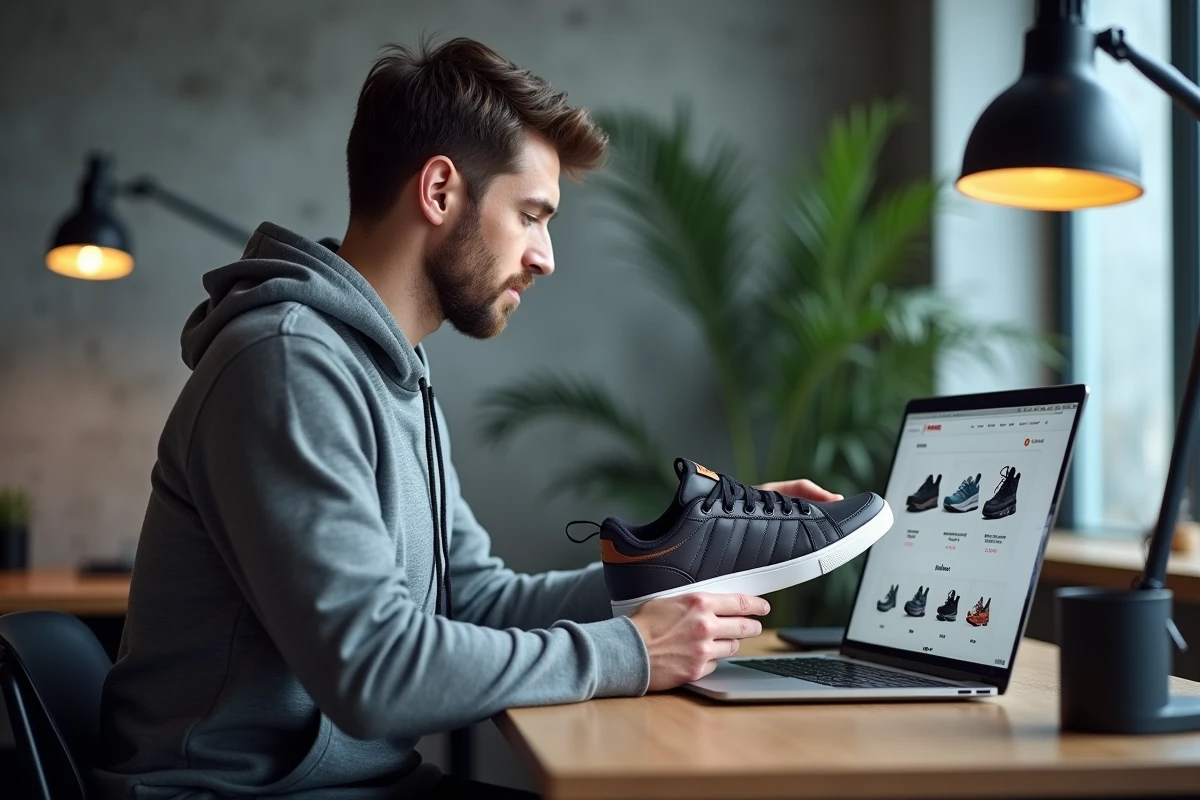
Systematically checking this information before confirming an order allows for assessing the level of trust to be placed. An item in Zalando’s own stock presents an almost zero risk of counterfeiting. A marketplace item deserves extra attention, especially for high-end sneakers (Nike, Adidas Yeezy, Jordan) for which counterfeits circulate massively. To better understand the authenticity of shoes on Zalando, one must start from this distinction between direct stock and third-party offers.
Return scam: how counterfeits enter the circuit
A documented phenomenon in Switzerland and several European countries sheds light on a blind spot of platforms. The mechanism is simple: a buyer orders an authentic pair of shoes, receives it, and then returns a counterfeit in the original box. The platform reintegrates the returned product into its stock without always detecting the substitution.
The counterfeit pair is then shipped to a new buyer who thinks they are receiving an authentic product. This type of fraud particularly affects sneakers whose value far exceeds the cost of a well-made copy.
The problem does not stem from fraudulent sourcing by Zalando, but from a flaw in the return control process. Platforms handle considerable volumes of returns, and individually inspecting each returned pair remains a logistical challenge.
Inspection upon receipt: points to check on your shoes
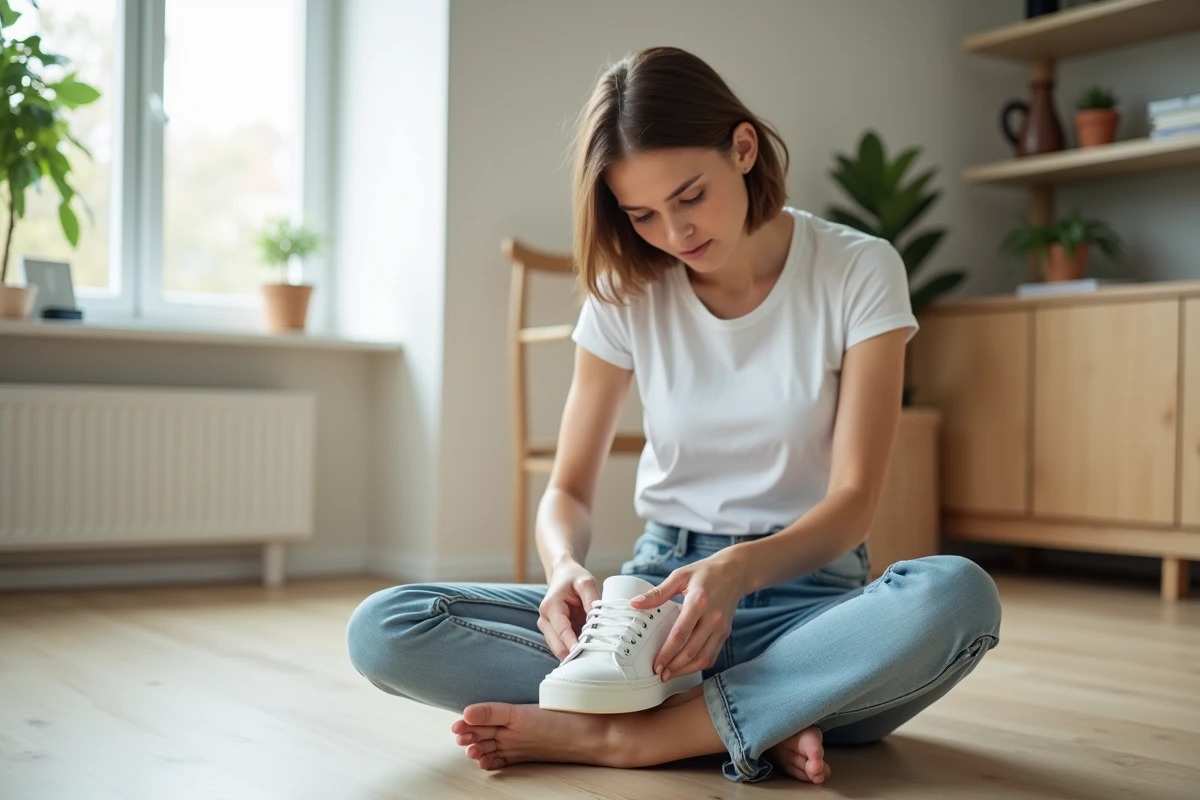
Inspection upon opening the package remains the most reliable means for an end buyer. The elements to verify overlap with those used by professional authentication services like StockX, which examine materials, stitching, labels, and accessories.
- The box must match the ordered model: clear brand logo, product reference consistent with the Zalando listing, absence of signs of reuse or overlapping labels
- The interior labels of the shoe (size, country of manufacture, barcode) must be aligned, with no printing smudges or typographical errors
- The quality of the materials can be checked by touch: leather that is too stiff or mesh that is abnormally thin compared to the brand’s official photos indicates a problem
- The stitching must be regular, with no loose threads, and symmetrical between the left and right foot
- The weight of the pair matters: a counterfeit often uses a lighter sole than the original
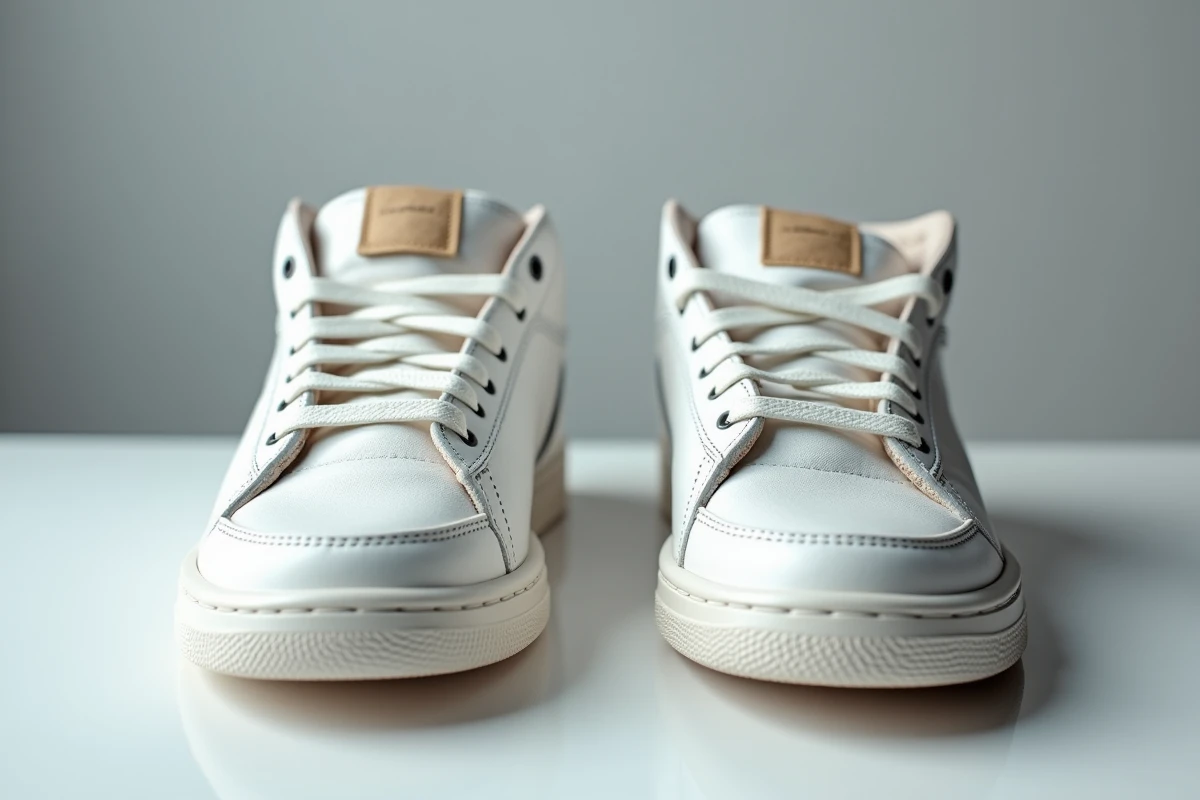
Comparing the received pair with photos from the brand’s official site (not those from Zalando) provides a more reliable point of reference. The colors, logo position, and overall shape of the sole are the first visual indicators of a discrepancy.
The specific case of Nike and Jordan sneakers
These two lines concentrate the majority of counterfeits circulating in the shoe segment. High-end copies faithfully reproduce the exterior appearance, making visual detection more difficult. Two details resist counterfeiting better: the quality of the inner foam (often harder on a copy) and the SKU code printed on the tongue label, which can be verified on the official Nike site.
Zalando return policy: a safety net to use quickly
The platform offers free returns within thirty days. This timeframe provides a concrete window to inspect the pair and raise any doubts. In case of suspicion of counterfeiting, Zalando’s customer service can be contacted via a form or by phone.
Documenting the issue with precise photos (labels, stitching, sole, box) before initiating the return strengthens the credibility of the claim. A return motivated by a suspicion of counterfeiting is not a standard return: it engages the seller’s responsibility and may trigger an internal verification.
When to call on a third-party authentication service
For models whose resale value far exceeds the purchase price, some buyers turn to specialized authentication platforms. These services inspect materials, finishes, and the consistency of accessories according to grids specific to each brand. The investment is particularly justified for limited pairs or brand collaborations, where the price difference between an original and a copy can be considerable.
Zero risk does not exist on a platform that handles a massive volume of orders and returns. The most effective combination remains to prioritize items sold directly by Zalando, inspect the pair upon receipt by referring to the brand’s official visuals, and use the return period as a time for active verification rather than just a simple refund option.