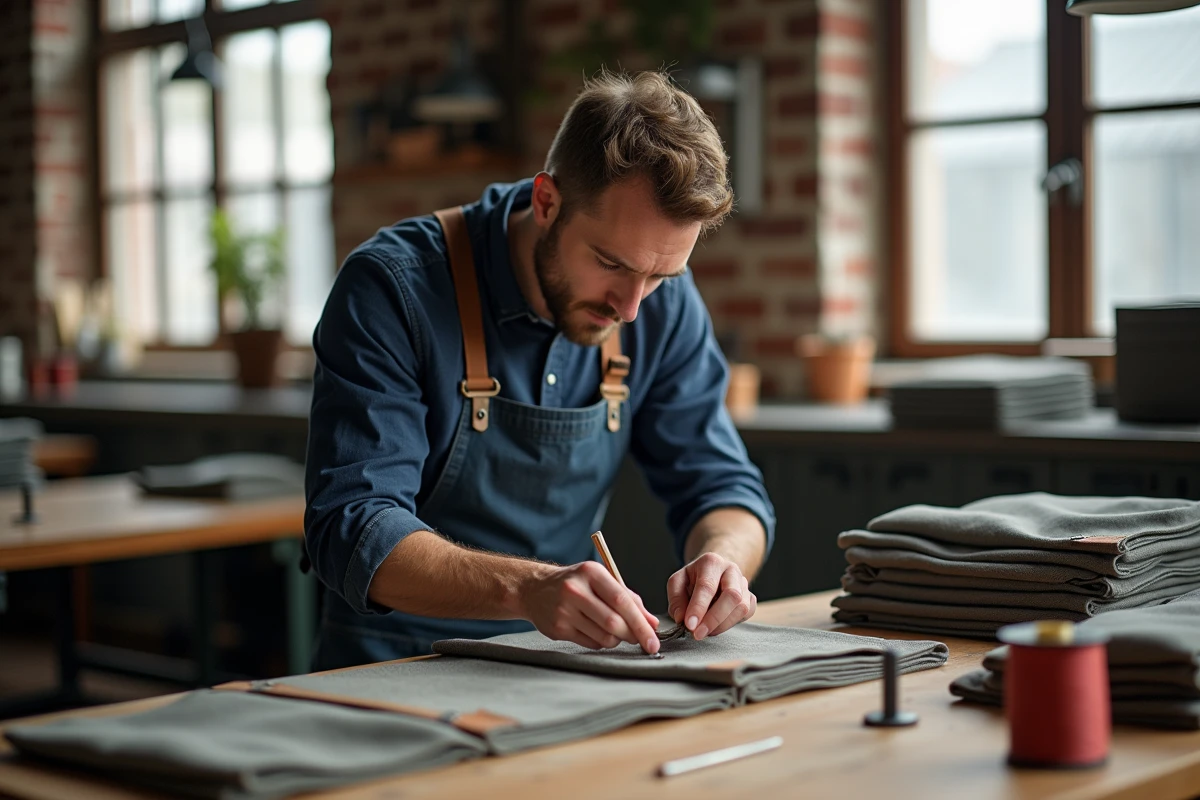
1952. Boston. A company named Eastern Canvas Products lays the groundwork for what will become a global reference in backpacks: Eastpak. Originally, military equipment comes out of its workshops. Nothing flashy, everything is designed to withstand the rigors of the field. But very quickly, an idea emerges: why limit this robustness to the army alone? In 1976, the brand brings the backpack into civilian life. The first model intended for the general public finds its way onto the shoulders of American students, disrupting habits and redefining the everyday object.
While Eastpak long produced its bags in the United States, the rise in demand reshuffled the cards. Off to Asia, with a strong foothold in China and then Vietnam. This industrial choice, dictated by the need to keep pace with international demand, today fuels debates and questions about quality and fidelity to the original spirit. What remains of it, and what reality lies behind this legendary label?
Eastpak: from American armies to urban shoulders
In Boston, the adventure begins in the military realm. Monte Goldman founds Eastern Canvas Products with a single obsession: to provide equipment capable of facing the unexpected. The first bags, with unparalleled durability, immediately demonstrate their usefulness in the field. The secret? Sturdy fabrics, reinforced seams, details designed to last. Quickly, this DNA extends its trace well beyond the barracks.
Family succession changes the game in the 1970s. Mark Goldman, the founder’s son, senses that this reliability can appeal beyond the military field. He imagines the Padded Pak’r, a civilian backpack with a simple, robust silhouette, instantly recognizable. By offering an unprecedented warranty that reassures, the brand conquers American campuses and then sets its sights on Europe. The object, previously utilitarian, transforms into a companion for urban life: a new era opens for the brand.
To place Eastpak in the context of its evolution, here are key milestones to keep in mind:
- The company Eastern Canvas Products is founded in 1952 in Boston to equip the American army.
- In the 1970s, under the impetus of Mark Goldman, military use gives way to an ambition open to civil society.
- The launch of the Padded Pak’r seals Eastpak’s explosive entry into the daily lives of an entire generation.
It’s hard to summarize the brand’s trajectory without mentioning the history and origin of Eastpak: from its birth in the military world to its transition into everyday life, the original spirit endures and still dictates strategic choices today, despite being under an international group.
Production: the Asian foothold and the challenge of quality
Over the decades, the manufacturing method has changed radically. The first bags are born on American soil, with an almost artisanal spirit where every detail matters. But as it follows its global growth, Eastpak chooses to integrate Asian workshops to meet demand. Mainly in Vietnam, production now relies on organized chains, capable of guaranteeing large volumes without compromising the historical demands for reliability.
The reasons for this shift in production? Above all, to remain competitive and ensure consistent quality control at every stage. The carefully selected Vietnamese suppliers adhere to strict standards, use durable textiles, and are subject to precise checks on accessories and seams. This is what allows the famous Eastpak fabric, thick yet flexible, to maintain its reputation.
Behind the scenes, design and development remain driven by European and American teams. For each new season, collections are conceived with respect for the triptych that has made the brand’s strength: robustness, practicality, and clearly identified style. Whether for iconic backpacks, cabin luggage, or travel accessories, every detail, zippers, handles, straps, undergoes testing, as durability is non-negotiable.
Why young generations identify with Eastpak
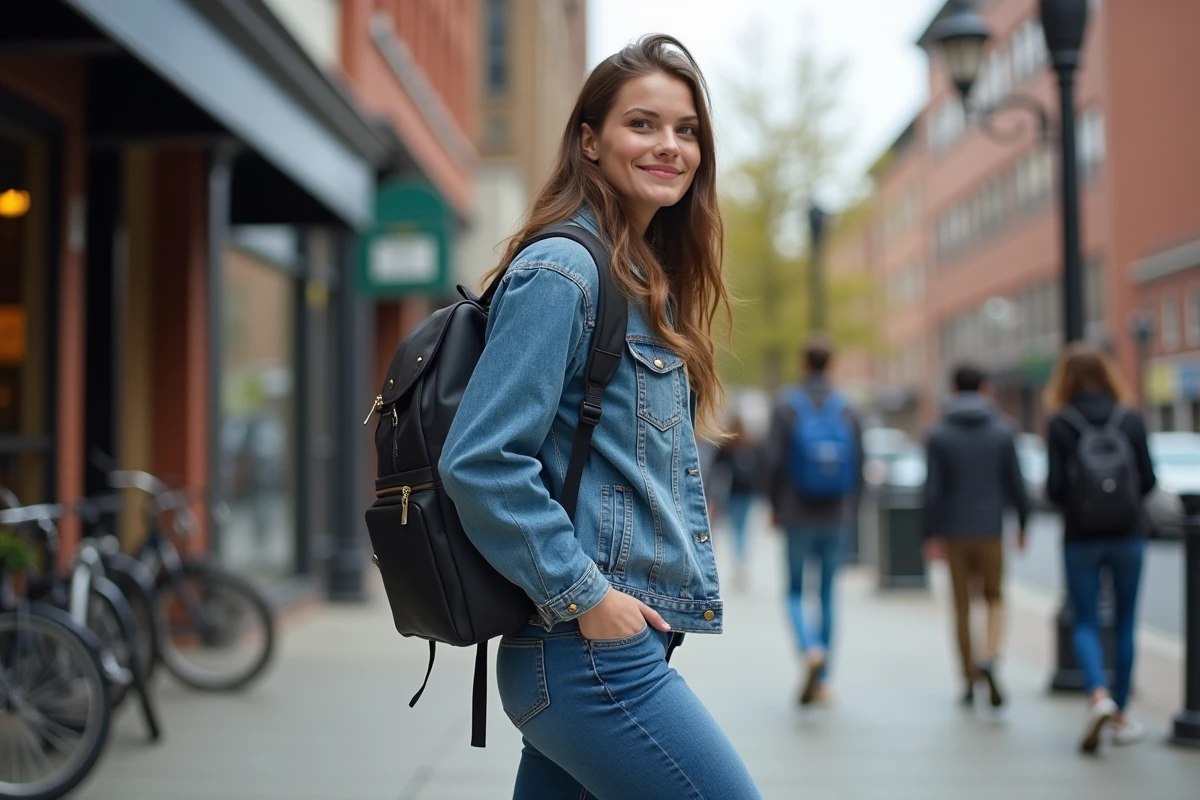
If there is one accessory that endures through the years without faltering, it is the Eastpak bag. In high school, on university campuses, or in the heart of the city, it’s impossible to miss the Padded Pak’r, the fanny pack model, or a special edition that the brand keeps secret. Practical, sturdy, visually identifiable: that’s what appeals. And each collection adds freshness, renewed colors, sometimes a hint of graphic provocation, always with a functional spirit.
Ergonomics are anything but theoretical. Cozy compartments for laptops, zippered pockets for keys and phones, openings designed for urban hustle, everything is crafted to fit modern life. The brand regularly collaborates with designers, multiplies partnerships, and refuses to rest on its laurels. For many, the Eastpak bag is more than just a useful object: it symbolizes a stage of life, a freedom of movement, a form of quiet boldness.
In the face of growing ecological sensitivity, Eastpak emphasizes another significant asset: durability. Models like the Day Pak or their famous iconic backpack pass from hand to hand, are repaired, and do not weaken after years of intensive use. The extended warranty on most of the range strengthens a rare trust relationship in the urban luggage universe. Here, time does not signify wear but enhances the object.
Once a companion of soldiers, now an ally in the daily lives of young professionals, Eastpak proves that a bag can transcend eras, adapt, and remain true to itself. A bag whose endurance inspires, generation after generation.