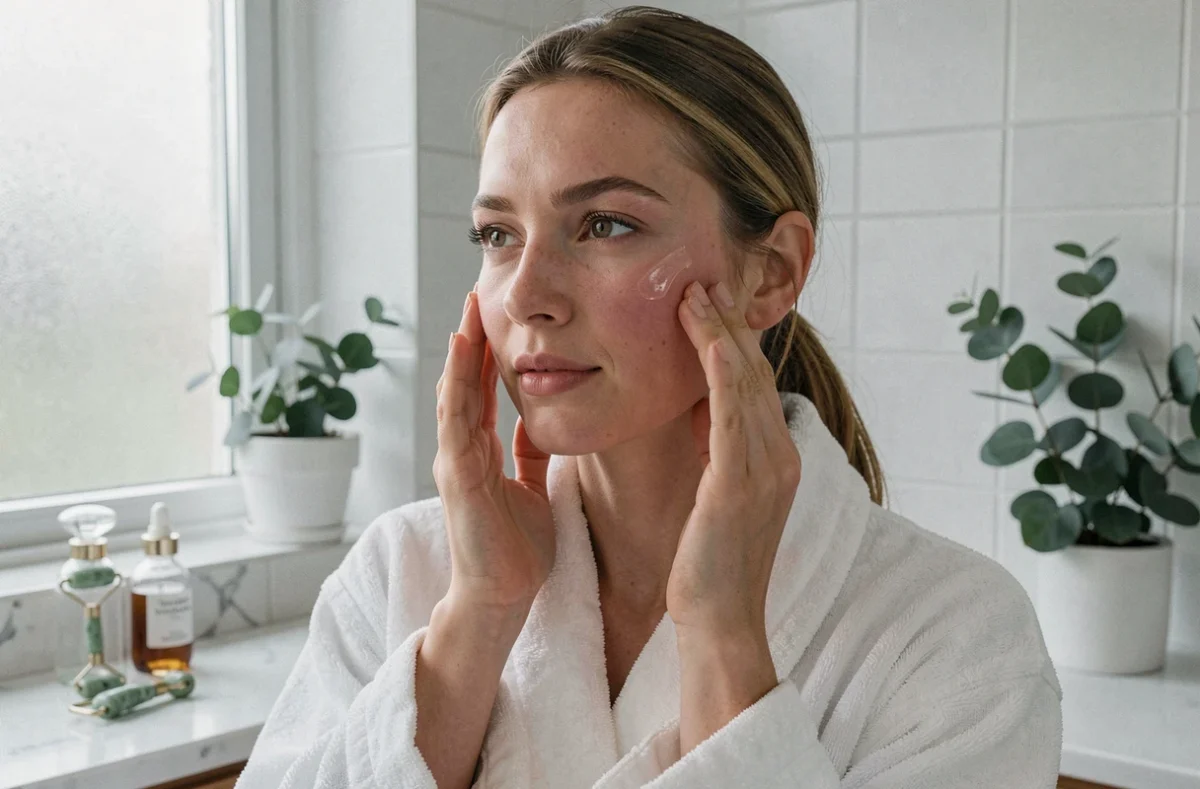
The formulation of an effective beauty routine relies less on the number of products than on the compatibility between active ingredients, respect for skin pH, and the correct reading of INCI lists. We observe that most facial care errors stem from counterproductive combinations or an exfoliation frequency that is inappropriate for the skin microbiome.
Skin pH and Active Ingredient Compatibility: The Parameter Beauty Routines Ignore
The hydrolipidic film functions optimally around a pH of 5.5. A facial cleanser with a pH exceeding 7 disrupts the resident flora and promotes transepidermal dehydration. We recommend systematically checking the pH of cleansers, favoring syndets or micellar waters formulated below 6.
The combination of active ingredients requires the same rigor. A vitamin C serum (ascorbic acid) loses effectiveness when applied immediately after a product containing niacinamide at neutral pH. The pH difference between the two formulas reduces the bioavailability of ascorbic acid. In practice, it is sufficient to separate these two actives between the morning routine and the evening routine.
Among Pop Your Beauty’s beauty tips, this logic of compatibility is addressed concretely to adjust each step of facial care to one’s skin type.
Facial Exfoliation: Frequency and Limits for Sensitive Skin
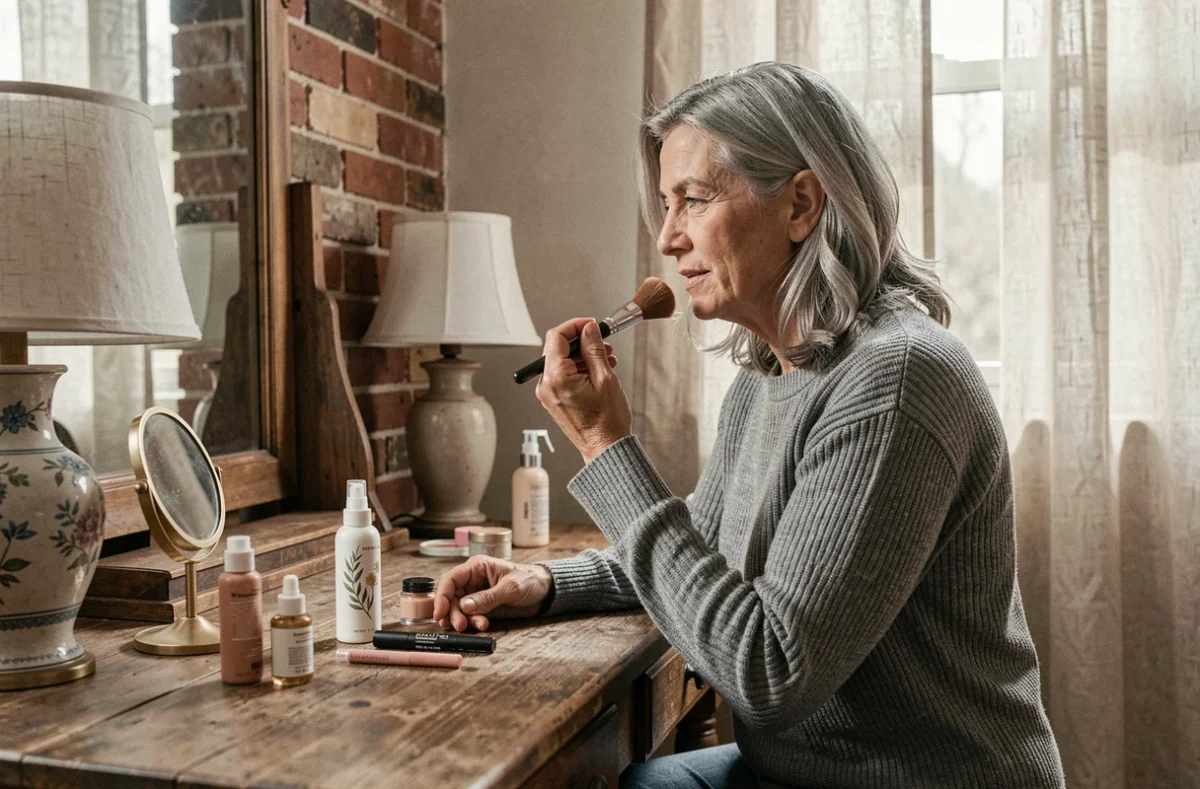
Daily exfoliation is increasingly being questioned for reactive skin. Dermatologists now recommend starting with a single exfoliation per week, then gradually increasing if the skin shows no redness, peeling, or sensation of heat.
Mechanical scrubs (grains, rotating brushes) are harsher on the skin barrier than a chemical exfoliant based on AHA or low-concentration PHA. On skin prone to imperfections or acne, using lactic acid or gluconolactone offers cellular renewal without micro-lesions.
In case of signs of irritation (skin heating, peeling, or reddening), the recommendation is clear:
- Immediately suspend any exfoliating acid, retinoid, and cleansing brush
- Return to a minimal protocol of three steps: gentle cleansing, hydration, sun protection
- Reintroduce one active ingredient at a time, spacing two to three weeks before adding another
This gradual approach protects the skin microbiome and avoids the vicious cycle of irritation-sebaceous overcompensation that we frequently observe on combination to oily skin.
Retinol and European Regulation: What Regulation 2024/996 Changes for Your Facial Care
Retinol remains one of the most documented anti-aging actives. Regulation (EU) 2024/996 now imposes a limit of 0.3% retinol equivalent in facial products and 0.05% in body lotions. Non-compliant products can no longer be marketed from November 1, 2025, and must have completely disappeared from shelves by May 1, 2027.
For users accustomed to serums concentrated beyond this threshold, the transition involves revising the anti-aging strategy. Retinal (retinaldehyde), a more direct precursor of retinoic acid, offers comparable efficacy at a lower concentration. This is a relevant avenue to maintain results without exceeding regulatory limits.

We also recommend checking the INCI list with each product renewal. Silent reformulations have become common since the regulation came into effect, and identical packaging may conceal a significant change in dosage.
Fragrance Allergens: Reading the INCI List with Regulation 2023/1545
Regulation (EU) 2023/1545 extends the obligation for individual declaration to 81 fragrance allergens on cosmetic packaging. The declaration threshold is set at 0.001% for leave-on products (face cream, serum, eye contour) and 0.01% for rinse-off products (soap, scrub).
Products already on the market benefit from a transitional period until July 31, 2028. In the meantime, the INCI lists of some products do not yet reflect all the allergens present. For reactive skin or skin prone to contact eczema, this information is crucial.
Three reflexes to adopt when purchasing a facial or body care product:
- Check for the mention “fragrance” or “perfume” in the INCI list, then look for individually declared allergens at the end of the list
- Prefer formulas labeled “fragrance-free” rather than “unscented,” as the latter may mask sensitizing neutralizing agents
- Compare the INCI list between two batches of the same product if you notice an unusual reaction, as reformulation may have altered the allergenic profile
The density of information on cosmetic packaging will significantly increase in the coming months. Knowing how to decode an INCI list becomes a true lever for skin protection, far beyond the simple marketing choice between “natural” and “conventional.” The most effective beauty routines start with this reading, even before the application gesture.