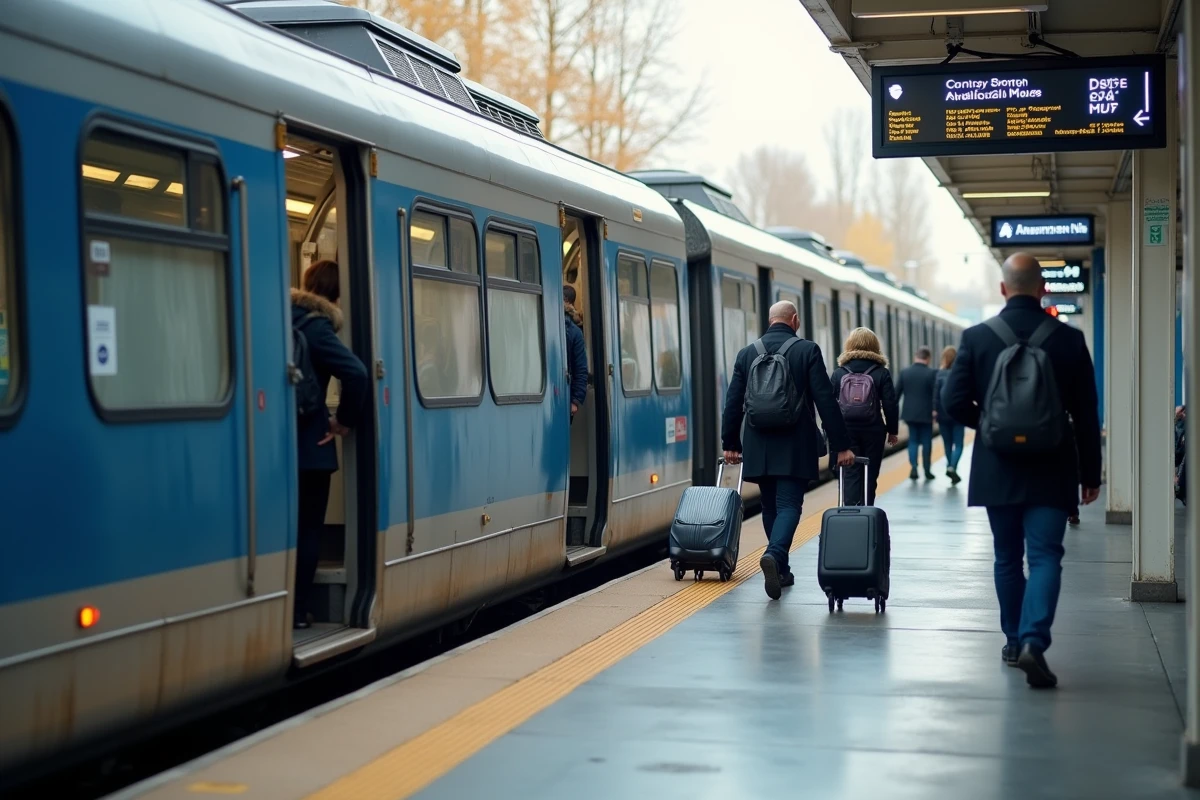
Taking an express bus between Marseille and Aix-en-Provence on a Monday morning, or connecting Toulon to Nice on a Friday evening, exposes one to a reality that traditional timetables do not always show: canceled trips without notice, delays quietly absorbed, and missed TER connections due to lack of real-time information. The Express Regional Lines (LER) of the ZOU! network in Provence-Alpes-Côte d’Azur deserve attention beyond just the simple PDF of schedules.
Real-time data for ZOU! express lines: what has changed since GTFS-RT
Until recently, LER schedules were consulted on the ZOU! website or by downloading PDF sheets updated once or twice a year. The problem: no visibility on delays or canceled trips on the same day.
Since the end of 2023, the Sud Region has generalized the dissemination of real-time data via the GTFS-RT feed published on transport.data.gouv.fr. Specifically, this dataset is updated daily (at 5 AM), and it feeds third-party mobility applications. Therefore, you can find actual passage times, delays, and trip cancellations directly in apps like Google Maps or Citymapper, without going through the official site.
For those planning regular trips, theoretical schedules remain available at https://www.info-ler.fr/ with details of lines, stops, and frequencies.
This opening of data is based on the Open License 2.0 from Etalab, adopted by the Region for all ZOU! data. This allows for commercial reuse, meaning that any developer or comparator can integrate these feeds to offer a route calculation service including the LER.
LER trips connecting to TER: friction points to know
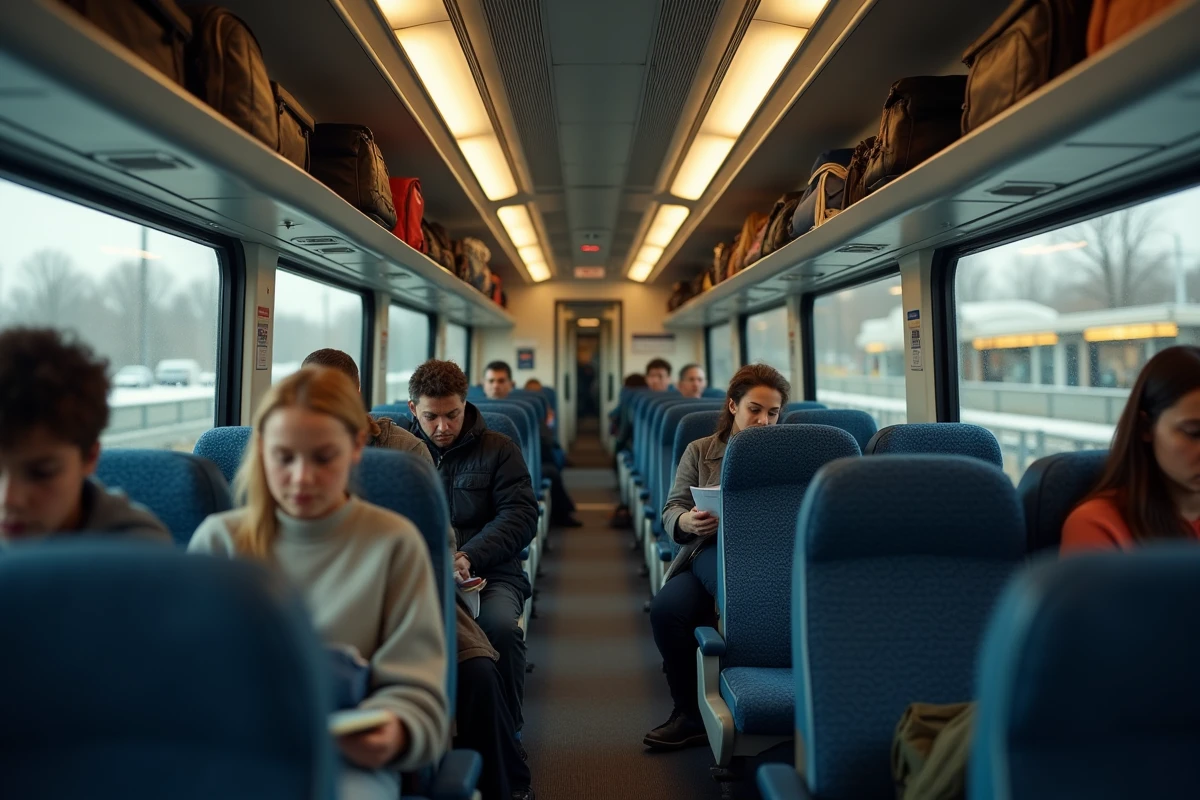
The Express Regional Lines are designed as a complement to the regional rail network. On paper, an express bus connects to a TER at an exchange hub (bus station adjacent to an SNCF station). In practice, feedback varies on this point, and several situations need to be anticipated.
Non-guaranteed connections during disruption periods
When an LER bus arrives late at a station, the TER does not wait for it. There is no real-time coordination mechanism between the bus operator and SNCF. If you are planning a tight connection (less than fifteen minutes), it is better to check the real-time feed before leaving the departure stop.
Separate pricing between express bus and TER
An LER ticket is not a TER ticket. Both networks fall under the same organizing authority (the Sud Region), but transport tickets are not systematically interoperable. Some ZOU! subscription formulas cover both modes, while others do not. Checking the validity of the ticket before boarding the TER avoids a fare adjustment on board.
ZOU! fares and transport tickets for express regional lines
The fare structure for LER has been revamped by the Region. There are now several categories of tickets:
- The single ticket, purchased online or directly from the driver, valid for a one-way trip on a given express line.
- The ZOU! Studies Pass, intended for students and schoolchildren for the 2025/2026 year, which covers home-school travel on express and local lines.
- The ZOU! Solidarity card, reserved for beneficiaries of certain social aids, which provides access to reduced fares across the entire network.
Online purchases go through the ticketing section of the ZOU! website. For occasional trips, payment to the driver is still possible but extends the stop time at busy stations.
Express lines and metropolitan express regional services: the next step
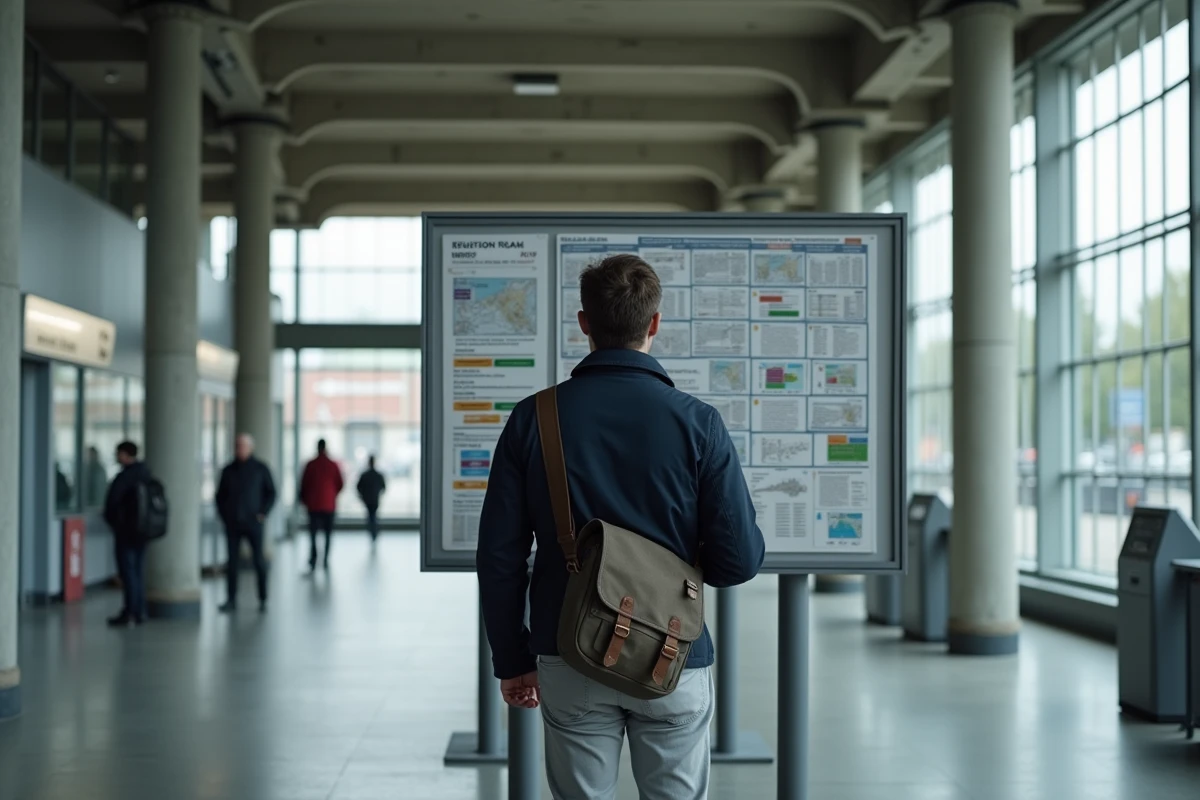
The LER are no longer just a simple network of intercity buses. They are part of a broader logic promoted by the State: metropolitan express regional services (SERM). The Lorraine-Luxembourg SERM model, which plans the creation of new express bus lines combined with an express bike network and rail hubs, serves as a reference for other regions.
In Provence-Alpes-Côte d’Azur, this approach aims to reposition express lines as the backbone of intercity mobility, rather than just a rail complement. The network combines express buses, regional trains, carpooling, and bike solutions around structural exchange hubs.
For daily users, this translates into a gradual increase in frequencies on the busiest routes and the integration of data from all these modes into a single application. The stated goal: to allow for planning a multimodal trip (express bus, then TER, then bike-sharing) from a single tool.
What this changes for daily trips
The strengthening of SERM involves physical improvements at stops: park-and-ride facilities, modernized shelters, and passenger information terminals connected to GTFS-RT. These facilities do not arrive everywhere at the same time, but priority routes (metropolitan links Marseille-Aix, Nice-Sophia Antipolis) concentrate the first investments.
- Real-time tracking of buses via mobility apps thanks to the GTFS-RT feed.
- Gradually harmonized pricing between express buses and regional trains.
- New multimodal exchange hubs integrating bikes, carpooling, and public transport.
The ZOU! LER network is no longer a static plan to download as a PDF. With the opening of real-time data and integration into SERM projects, these express lines are becoming an operational link in regional transport, provided that one knows where to find the right information at the right time.