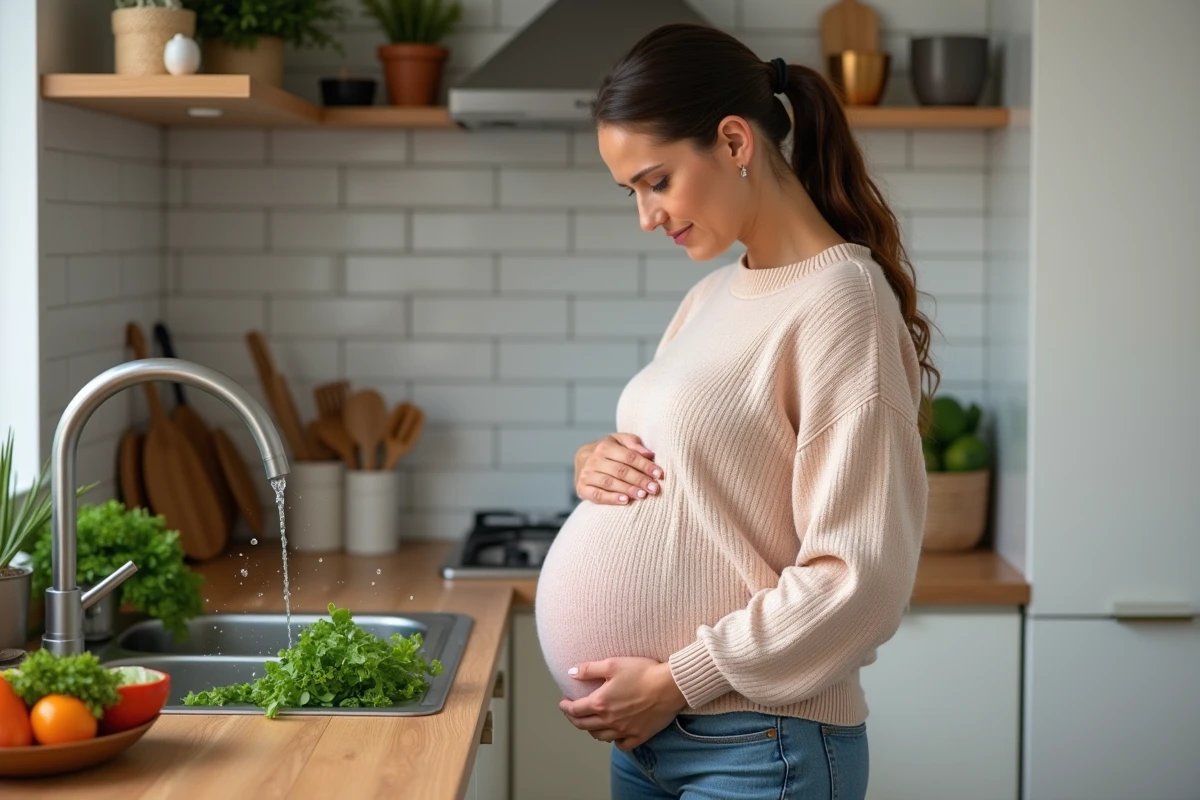
In France, nearly 80% of pregnant women have never contracted toxoplasmosis and are therefore vulnerable to infection during their pregnancy. Contamination does not only occur through raw meat: poorly washed fruits and vegetables, soil on hands, or contact with certain animals also represent often underestimated risks.
A simple oversight in meal preparation or an innocuous gesture in the garden is enough to expose the fetus to serious complications. Official recommendations vary according to each woman’s immune status, making prevention sometimes complex to apply in daily life.
Toxoplasmosis during pregnancy: what are we really talking about?
Toxoplasmosis does not make noise, but it imposes its presence in the lives of many pregnant women. Caused by the parasite Toxoplasma gondii, this infection is transmitted through more routes than one might think: raw or undercooked meat, fruits and vegetables that are not washed enough, or handling contaminated soil. The cat is just one link in a much larger chain.
The downward trend in seroprevalence in France exposes a majority of pregnant women to this risk, often ignored in daily actions. One cuts a piece of meat, scratches the soil, brushes against an animal. The parasite circulates silently, and it only takes one opportunity for it to pass from the environment to the mother, and then, in some cases, to the future child.
Staying alert is the condition to prevent toxoplasmosis during pregnancy. Here are the basic actions to adopt scrupulously:
- Wash fruits and vegetables thoroughly before consumption.
- Prefer a complete cooking of meat.
- Wear gloves when touching soil or cleaning the cat’s litter box.
Nothing betrays the presence of the parasite in the mother. Yet, a symptomless infection can have serious effects on the fetus. From the beginning of pregnancy, it is better to impose a strict routine. French health authorities emphasize the importance of specific actions to reduce transmission: every step of meal preparation, every interaction with the environment, becomes a barrier for the health of the mother and that of the baby to come.
What are the risks for the baby and how to protect against them?
Congenital toxoplasmosis is not just a medical term: it is a real threat to the fetus as soon as the parasite crosses the placental barrier. Early infection involves increased risks: eye lesions, neurological disorders, hearing impairments. Protecting the baby starts with maternal vigilance and careful medical monitoring.
To track Toxoplasma gondii, regular blood tests are necessary. The presence of IgG and IgM antibodies is monitored. In case of doubt, further tests are planned to clarify the situation and allow the medical team to react quickly. The goal remains clear: to prevent any transmission from mother to child and protect the development of the fetus.
Daily actions make a difference: preparing well-cooked meat, washing fruits and vegetables, avoiding handling the cat’s litter box with bare hands. For pregnant women, these habits significantly reduce the risk of infection and thus of congenital toxoplasmosis.
Here are the reflexes to integrate into daily life:
- Consult regularly for serological monitoring.
- Stay cautious when preparing raw foods.
- Protect your hands with gloves if you touch soil.
Clear information and rigorous actions form the best strategy to keep toxoplasmosis at bay and ensure the health of your baby.
Adopting the right reflexes in daily life to experience a serene pregnancy
Toxoplasmosis prevention: vigilance even at the table
Pregnancy requires renewed attention at every meal. Always keep in mind the risk of toxoplasmosis during preparation: wash fruits and vegetables thoroughly, remove any trace of soil under water, and ensure complete cooking of meat. The Toxoplasma gondii does not survive heat, so it is better to avoid any raw charcuterie or undercooked meat.
To limit food risks, a few principles should be respected:
- Wear gloves when gardening or touching soil.
- Wash utensils and surfaces thoroughly after contact with raw foods.
- Prefer pasteurized dairy products to any raw alternatives.
Hygiene and environment: an invisible but effective barrier
Reducing the risk of contamination also means taking care of your immediate environment. Minimize contact with cat feces. If the litter needs to be changed, wear gloves and wash your hands immediately afterward. For drinks, choose potable, filtered, or boiled water to avoid any surprises related to contaminated water.
Medical monitoring is essential: each appointment with your doctor is an opportunity to adjust measures, check seroconversion, and anticipate any treatment in case of infection. These practical tips, repeated throughout pregnancy, constitute a true armor for the mother and the unborn child.
At every stage, prevention becomes a reflex, a form of vigilance that settles into even the most ordinary actions. Protecting the baby starts there, in daily life, and is built patiently, one choice at a time.