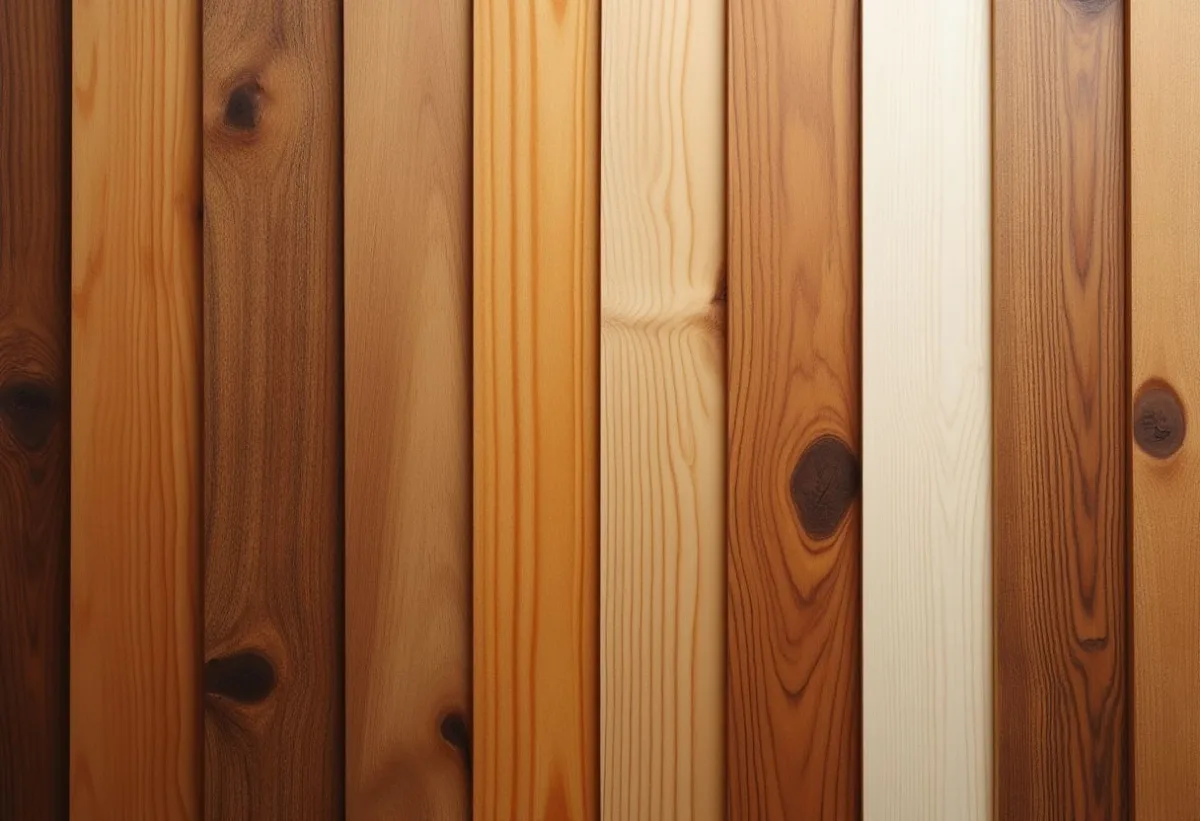
Wood surfaces exude elegance and warmth, embodying timeless charm. However, to preserve and enhance their natural beauty, applying a protective coating becomes essential. This is where wood varnish comes into play, a solution favored by both enthusiasts and professionals in woodworking. This clear or tinted coating aims to protect, beautify, and prolong the lifespan of the wood. Whether for flooring, furniture, or outdoor woodwork, understanding the nuances of wood varnish allows for achieving optimal results.
Understanding the Different Types of Wood Varnish
The variety of wood varnishes available on the market can be confusing. Each has its own characteristics, making them suitable for specific uses.
- Water-based varnish: known for its quick drying time, it is appreciated for its low volatile organic compound content. It is perfectly suited for interiors and furniture due to its natural and matte finish.
- Solvent-based varnish: often chosen for its durability, it offers robust protection against impacts and scratches. Ideal for high-traffic surfaces such as floors or stairs.
- Polyurethane varnish: this type of wood varnish is renowned for its resistance to moisture and chemicals. It is a wise choice for kitchens and bathrooms.
- Acrylic varnish: it stands out for its transparency and ease of application. Perfect for DIY projects, it helps maintain the natural appearance of the wood.
The Unmissable Advantages of Wood Varnish
Choosing wood varnish means providing your projects with lasting protection while highlighting the natural aesthetics of the material.
First, the primary advantage of wood varnish lies in its ability to effectively protect wood from external aggressions. UV rays, moisture, and temperature fluctuations can alter the appearance and structure of the wood. A good varnish acts as a protective barrier, thereby extending the lifespan of your installations.
Next, varnish enhances the intrinsic beauty of the wood. By accentuating the grains and natural patterns, it reveals the full aesthetic potential of the material. Varnished wood uniquely captures light, adding a sophisticated touch to any space.
Finally, another major advantage lies in the ease of maintenance of varnished surfaces. A simple wipe with a cloth is enough to restore your woods to their original luster without requiring heavy or recurring interventions.
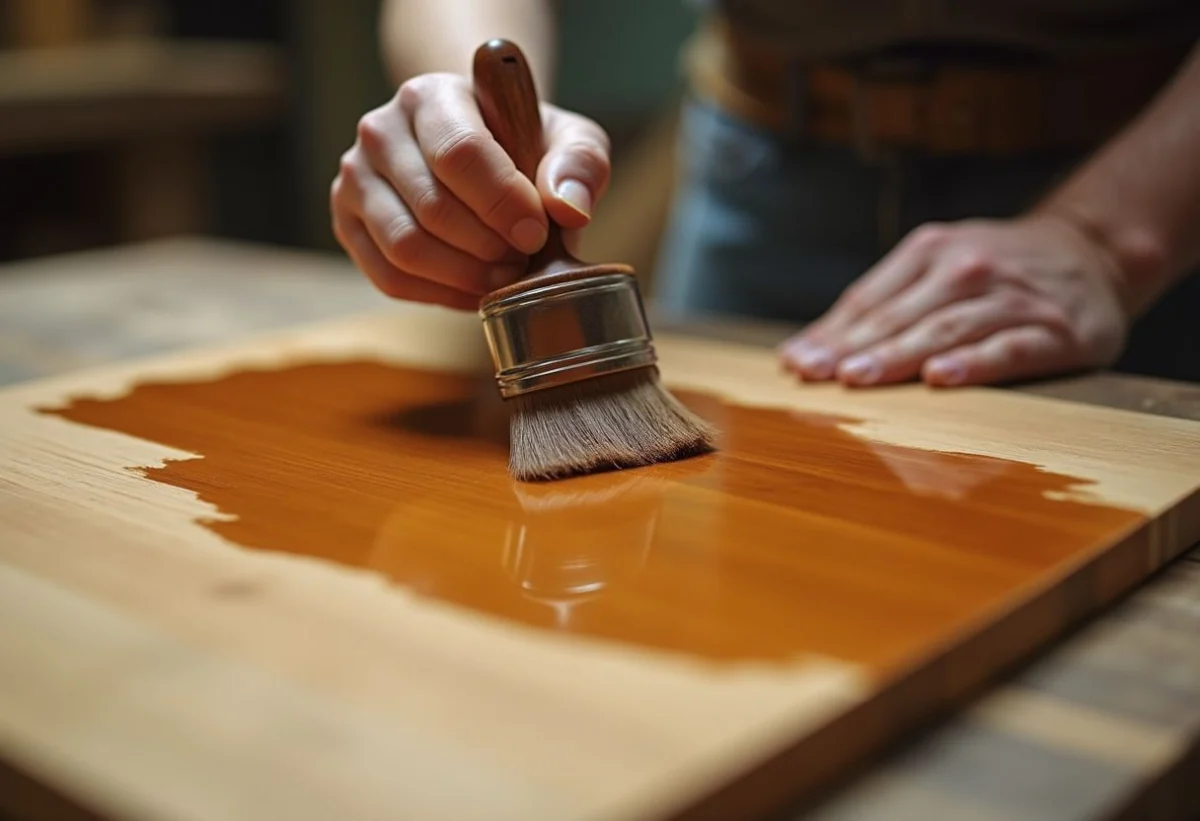
The Essential Steps for Applying Wood Varnish
To achieve a flawless and durable result, it is essential to follow certain steps when applying wood varnish.
- Surface preparation: thoroughly clean the wood surface to remove dust, dirt, and any grease. A light sanding smooths the surface and improves the varnish’s adhesion.
- Varnish application: use a suitable brush or roller to apply a first thin and even coat of varnish. Be sure to follow the direction of the wood grain for a uniform finish.
- Drying and intermediate sanding: allow the first coat to dry according to the manufacturer’s recommendations, then perform light sanding to eliminate small imperfections.
- Application of additional coats: apply one or more additional coats to enhance protection, respecting drying time between each coat.
Choosing the Right Wood Varnish for Your Needs
The choice of wood varnish should be guided by the intended use and the environment in which the wood will be exposed.
For indoor woods, a water-based or acrylic varnish may be sufficient, especially if a natural look is desired. For furniture exposed to high humidity or intense use, opting for polyurethane varnish ensures optimal durability.
As for outdoor woods, a solvent-based varnish, known for its robustness, offers effective protection against the elements. It is crucial to consider the desired finish: matte, satin, or glossy, to ensure that the final result meets your aesthetic expectations.