A pasta takeout franchise requires a personal investment rarely below €30,000, while some networks impose an entry fee exceeding €100,000. Gross margins can exceed 65%, but profitability heavily depends on controlling supply costs and sales volume. The sector shows steady growth despite increased competition and pressure on commercial rents in city centers. Several brands require a small premises, often less than 50 m², allowing for optimized fixed costs and limited initial investment.
Pasta Takeout Franchise: A Promising Market with Multiple Opportunities
In France, the pasta market is not slowing down. Consumption is measured in millions of tons each year, particularly among busy city dwellers and students. Brands challenge each other with a variety of recipes: fresh pasta, dry pasta, egg pasta, or original varieties. This diversity attracts a mixed clientele, from lovers of traditional flavors to consumers seeking superior quality.
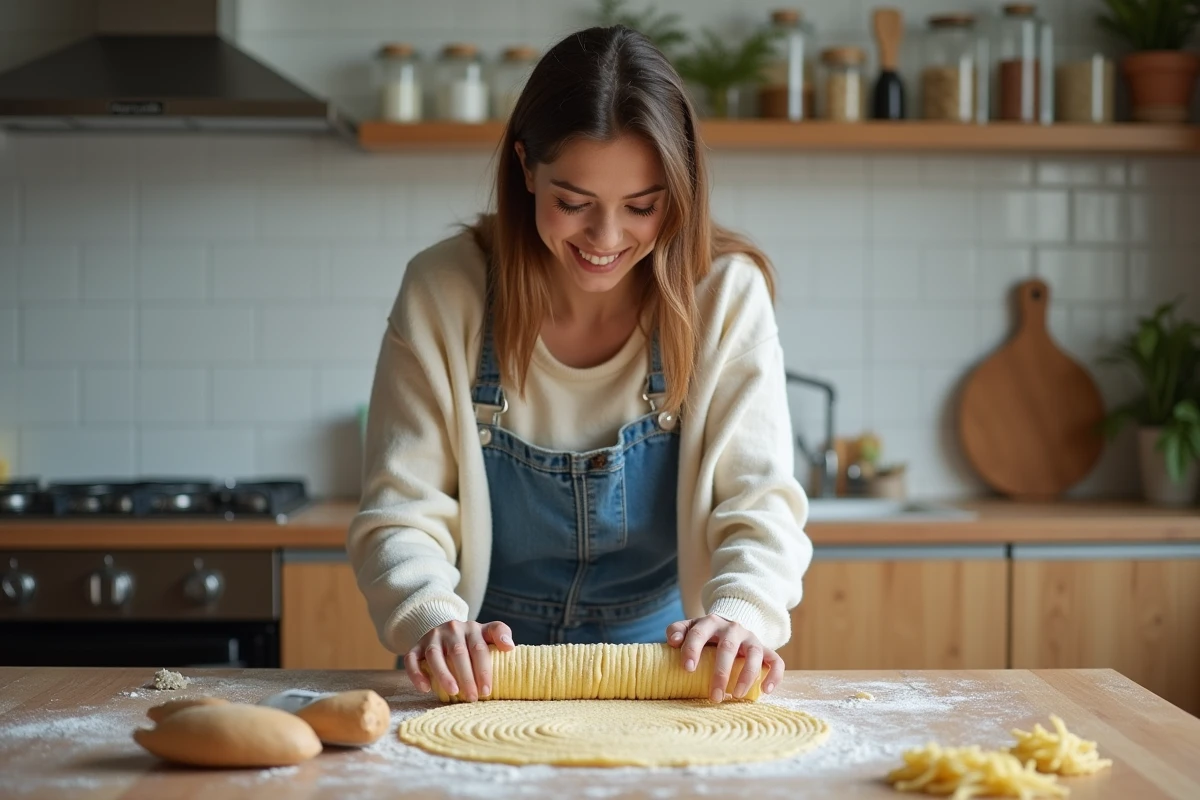
The model of the pasta takeout franchise has a double advantage: it allows for precise cost management while quickly responding to new trends and desires. Betting on homemade production not only guarantees the selection of ingredients but also breaks free from the constraints of food standardization. Goodbye additives and bland recipes. Customization becomes a distinguishing factor, both in taste and nutrition.
The question of production cost is central. Industrial pasta remains economical but often compromises flavor and ecological impact. Homemade production requires a few basic elements: durum or soft wheat flour, eggs, water, and salt. To get a clearer picture, just compare a few figures:
- For homemade dry pasta made from durum wheat, expect to pay between €1.5 and €3/kg.
- For homemade egg pasta, also made from durum wheat and five eggs, the range is between €2 and €3.5/kg.
Investing in a pasta machine pays off fairly quickly and offers valuable creative freedom. You gain control and build loyalty among customers who want authenticity.
For those who want to delve deeper into the numbers, just learn more on Toutes Les Recettes.
What are the costs, requirements, and profitability keys to anticipate before getting started?
Taking the plunge into homemade pasta requires method. The raw materials remain affordable: flour (T45, T55, or 00), eggs, a pinch of salt, a bit of water. In terms of budget, a kilo of homemade dry pasta costs between €0.6 and €3, depending on quality and recipe. Making your own egg pasta will range between €1.44 and €3.5 per kilo, well below the price of fresh industrial products.
To equip yourself, investing in a manual or electric pasta machine made of stainless steel facilitates rolling and cutting. A dryer prevents the pasta from sticking, and in terms of cost, the expense is quickly recouped once production becomes regular. The dough needs resting (30 minutes to an hour), followed by a few minutes of cooking: the promise of a controlled result, full of character.
Three elements make a difference in the profitability of a homemade workshop: the price of ingredients, the time spent, and the energy expenditure. Producing your own pasta eliminates additives and allows for precise adjustments to their composition (proteins, fibers…) according to customer expectations. With production finely tailored to demand, profitability follows. And so does taste.
Practical Tips and Resources to Realize Your Pasta Franchise Project
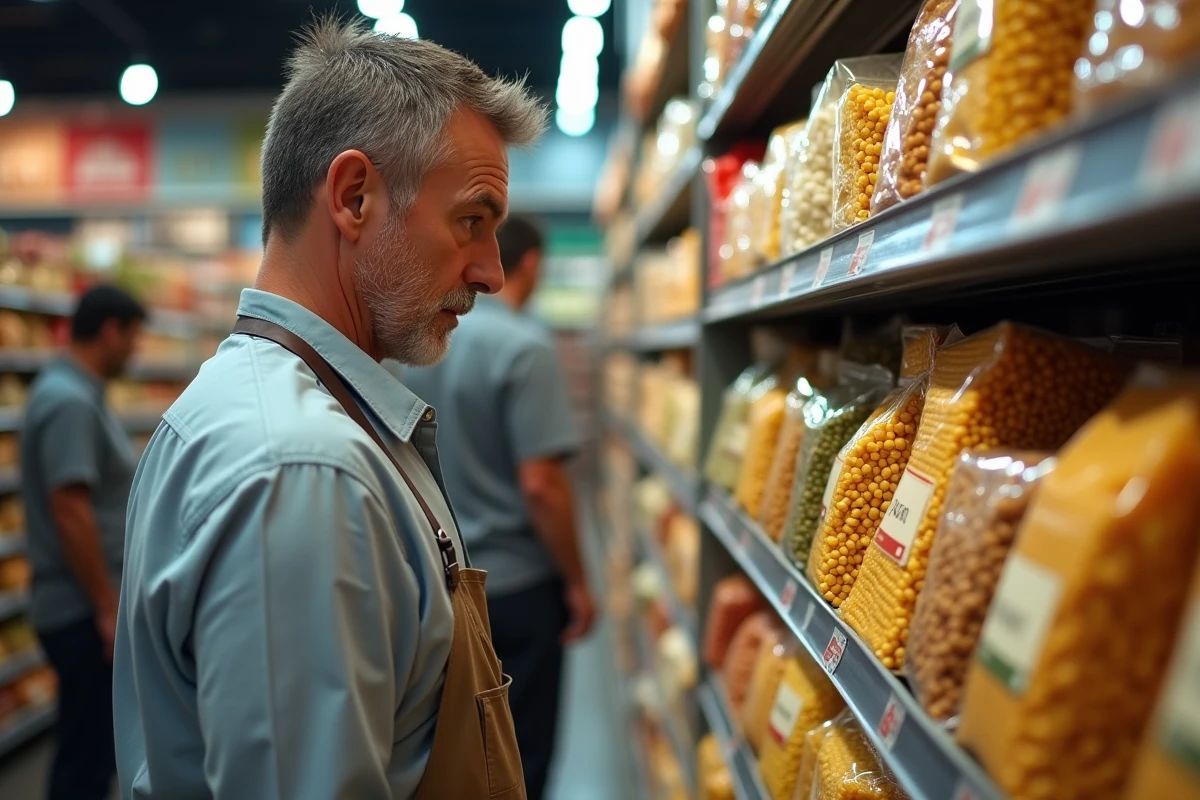
Brands that stand out are distinguished by their adaptability. Varying recipes – carrots, spinach, beetroot, herbs, or turmeric – allows reaching an audience concerned with nutritional value. Long pasta, lasagna, ravioli, gnocchi: everyone finds their moment, their craving.
A rigorous stock management ensures freshness. Here are the main methods to keep in mind to keep products top-notch:
- Drying: perfect for storing long pasta.
- Freezing: an ideal solution for ravioli or gnocchi.
- Fresh pasta: to be stored for three to four days in the refrigerator, and up to a month in the freezer without altering texture.
By focusing on simple ingredients, transparency follows: flour, eggs, salt. This approach appeals and reassures, as traceability is now a strong expectation.
Producing pasta goes far beyond calculating margins. Organizing workshops, involving families, capturing children’s interest: the playful aspect also nourishes the reputation of an establishment. Offering choices suitable for all diets (fiber, gluten-free, vegetarian) further expands the realm of possibilities.
Staying informed, exploring new avenues: guides, feedback, nutritionist opinions, or recipe platforms fuel entrepreneurial boldness and creativity. When consumer appetite remains strong, betting on inventiveness and nutritional requirements adds depth and flavor to every project.
At serving time, it is the determination to make a difference that gives each plate its share of uniqueness and flair.